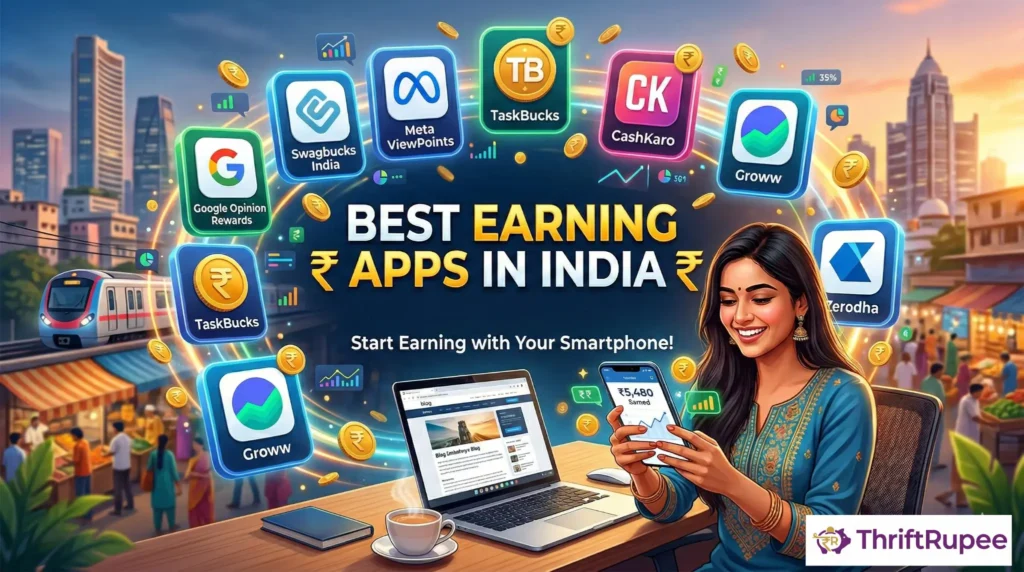
Looking for earning apps in India that actually deposit money into your account? You’re not alone. Last month, I watched my college-going neighbour make ₹3,200 from her phone—no investment, no MLM nonsense, just smart app choices. Meanwhile, my cousin wasted three weeks on a “guaranteed earnings” app that never paid a rupee.
Here’s the truth about earning apps in India: 99% of them are time-wasters dressed up as opportunities. But that remaining 1%? They’re quietly putting extra cash in the pockets of students, homemakers, and anyone with a smartphone and spare time.
This guide strips away the hype. I’ve tested dozens of money earning apps in India over the past six months—created accounts, completed tasks, and actually tried to withdraw money. Some paid within 24 hours. Others ghosted me after I’d “earned” ₹500.
You’ll discover which apps are worth downloading today, realistic earning expectations (spoiler: you won’t quit your job), and red flags that save you from wasting time on scams. Whether you’re a student looking for pocket money or someone exploring side income, let’s find apps that respect your time and actually pay.
Why Everyone’s Talking About Earning Apps in India Right Now
Walk into any college canteen or co-working space, and you’ll hear the same conversation: “Have you tried that new earning app?” The explosion of earning apps in India isn’t accidental—it’s driven by three massive shifts happening right now.
First, the pandemic permanently changed how Indians think about income. When jobs disappeared overnight in 2020, people realized depending on a single income source felt like walking a tightrope without a net. Earning apps became the safety net—not a replacement for employment, but a buffer that meant the difference between comfortable and stressed.
Second, smartphone penetration crossed 750 million users in India. Your phone isn’t just for Instagram anymore. It’s a potential income-generating device sitting in your pocket. Combine cheap data plans (thank you, Jio) with app-based opportunities, and suddenly that commute time or afternoon break transforms into earning time.
But here’s what most articles won’t tell you: The earning app space is also flooded with opportunistic companies exploiting FOMO. For every legitimate app, there are five clones promising “₹5,000 daily without investment!”—all requiring you to watch 800 ads or recruit your entire family tree.
See Also: Best Buy Now Pay Later Apps
Who actually benefits from these apps?
Three groups dominate the success stories:
- Students who can’t commit to fixed-hour part-time jobs but have irregular pockets of free time
- Homemakers managing households who want financial independence without leaving home
- Working professionals treating apps as “money on the side” while commuting or during lunch breaks
The realistic earnings? Most users report ₹500-₹2,000 monthly from casual use. The top 5% who treat it seriously (multiple apps, daily consistency) push ₹5,000-₹10,000. The Instagram screenshots showing ₹50,000 monthly? Either they’re running full-fledged businesses through the platform or they’re selling courses about earning apps—not actually earning from apps themselves.
Think of earning apps like collecting loose change from your couch cushions versus expecting to find a briefcase full of cash. One is realistic and adds up over time. The other is a fantasy that leads to disappointment.
What Makes an Earning App Actually Worth Your Time?
Before you download your 47th earning app (we’ve all been there), let’s establish a filter system. I learned this the hard way after spending two months on an app that dangled ₹800 in “pending earnings” but had a ₹1,000 minimum withdrawal. Classic trap.
The Four Non-Negotiables Every Legitimate App Must Have:
- Payment Proof That’s Recent and Verifiable Don’t just check the app’s website—they can Photoshop anything. Dig into Reddit threads, Quora answers, and YouTube videos from Indian users. Look for payment screenshots dated within the last 30 days. If everyone’s showing proof from 2021, the app likely changed its payout structure or stopped paying altogether.
- Reasonable Withdrawal Limits Legitimate apps set minimums between ₹10-₹200. If an app requires you to earn ₹1,000+ before your first withdrawal, that’s a psychological trap. They’re betting you’ll give up before reaching the threshold, meaning they keep your effort without paying. Think of it like a store that only gives refunds if you complain 47 times—technically possible, but designed to discourage you.
- Transparent Company Background Who actually runs this app? A registered Indian company or a mysterious entity with a Gmail address? Check the app’s “About Us” section. Search for the company on the Ministry of Corporate Affairs website. If you can’t find basic registration details, you’re dealing with a potential fly-by-night operation.
- Consistent User Reviews (Not Just 5-Stars) Weirdly, perfect 5-star ratings scare me more than mixed reviews. Real apps have frustrated users—someone who couldn’t withdraw, someone whose task didn’t credit, someone complaining about ads. Read the 3-star reviews carefully. They’re usually from real users explaining exactly what works and what’s annoying.
Red Flags That Scream “Run Away”:
- Upfront registration fees: Real earning apps pay you to use them, not the reverse
- Pyramid referral requirements: If you must recruit 10 people before earning, that’s MLM wearing an app disguise
- Unrealistic promises: “Earn ₹5,000 daily just by clicking ads!” defies basic economics—nobody pays that much for clicks
- No customer support: Try contacting them with a question before signing up. No response? No download.
Here’s the brutal truth about time investment: If an app pays ₹10 per task and each task takes 15 minutes, you’re earning ₹40/hour. Mumbai’s minimum wage is around ₹375 for an 8-hour day (₹47/hour). Some apps literally pay below minimum wage. Run that calculation before committing serious time.
The best earning apps understand this math and structure themselves differently—they either pay premium rates for skilled tasks, offer passive earning opportunities, or provide cashback on purchases you’d make anyway. That’s our next focus.
Survey and Task-Based Apps: Your Easiest Starting Point
If you’re new to earning apps in India, survey and task-based platforms are your training wheels. They require zero skills beyond reading and clicking, though they’re rarely going to make you rich. Think of them as the difference between finding ₹20 notes in old jacket pockets versus running a lemonade stand.
1. Google Opinion Rewards: The Grandfather of Micro-Surveys
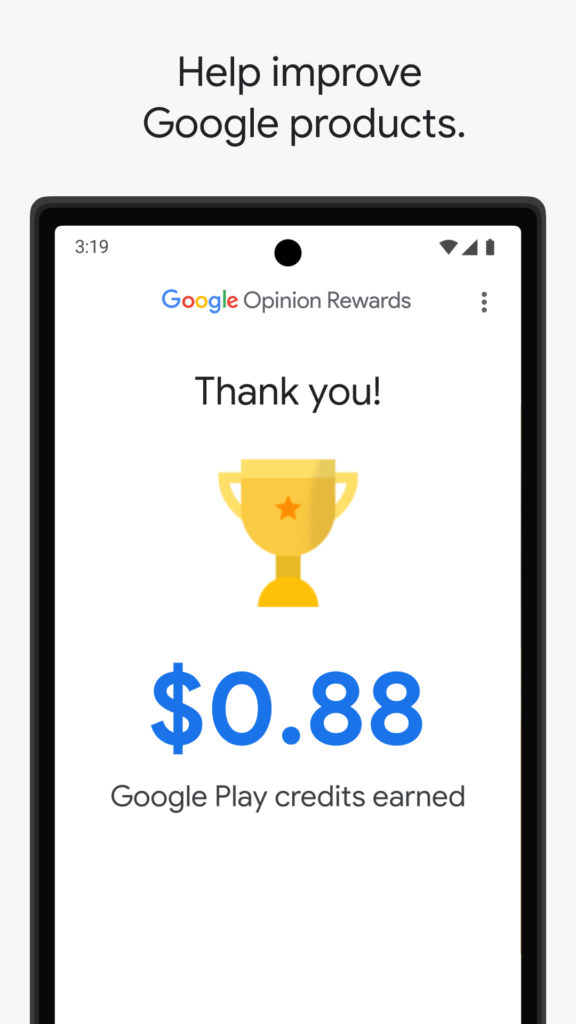
This app feels almost boring—which is exactly why it works. Google sends you 2-4 question surveys based on places you’ve visited or apps you’ve used. Each survey pays ₹10-₹30 in Google Play credits.
Here’s what nobody mentions: The earnings aren’t cash, they’re Play Store credits. So if you buy apps, games, or books from Google Play, this is free money. If you don’t, it’s useless. I’ve earned ₹940 over eight months, which covered my Spotify Premium subscription.
The catch? Survey frequency depends on your activity. Travel more, shop more, and use location services—you’ll get more surveys. Someone sitting at home rarely using their phone might get one survey monthly.
2. Swagbucks India: The Western Import That Finally Adapted
Swagbucks launched in the US ages ago but only recently made their India-specific version worthwhile. You earn “SB points” through surveys, watching videos, and shopping through their portal. 100 SB points roughly equal ₹70, and you can cash out starting at ₹250.
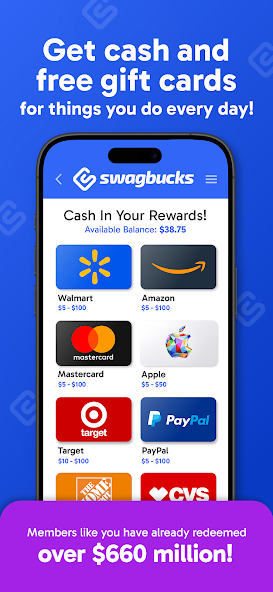
What works: The shopping cashback integrations with famous ecommerce platform like Myntra, Amazon, and Flipkart. If you’re buying something anyway, routing through Swagbucks adds 2-8% back. That’s like getting a perpetual sale on top of existing discounts.
What’s annoying: The surveys constantly disqualify you mid-way. You’ll answer five questions, then get a “Sorry, you don’t fit this survey” message. You wasted three minutes for 1 SB point. It’s the digital equivalent of being invited to a party just to be asked to leave.
My realistic earnings over three months: ₹680, with about 30 minutes of effort weekly. That’s roughly ₹170/month for two hours of total time. Does that beat scrolling Instagram? Absolutely. Does it beat a part-time job? Not even close.
3. Meta ViewPoints:
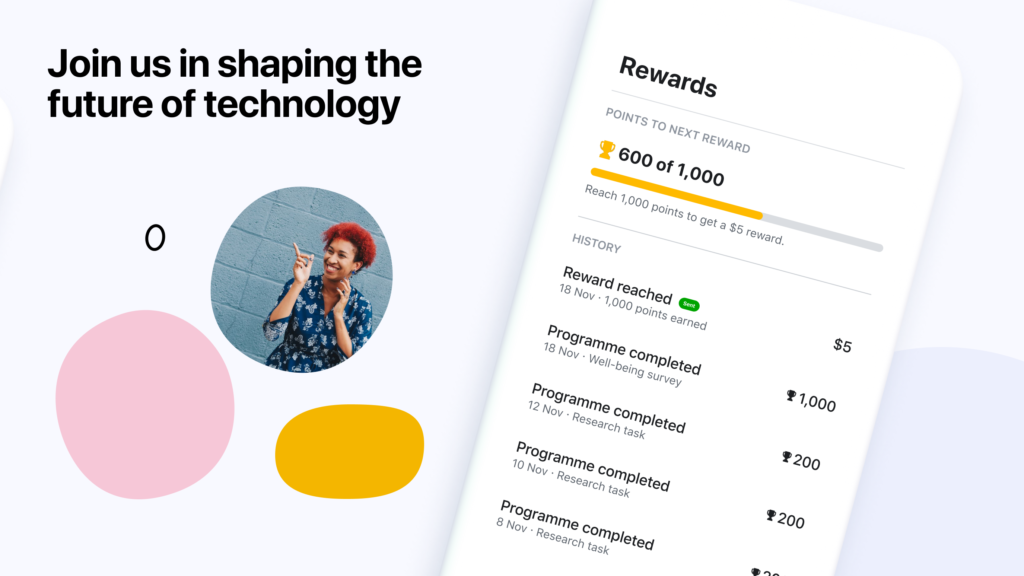
Meta Viewpoints is a best and trusted earning app in india created by Meta (the company behind Facebook, Instagram, and WhatsApp). The app pays users for participating in simple tasks like surveys, feedback programs, and product research. Its purpose is to collect user insights that help Meta improve its products and services.
Once you sign up, you’ll receive different “programs” based on your profile. Each program clearly mentions what information will be collected, how many points you will earn, and how long it will take. After completing tasks, your points accumulate, and once you reach the required threshold, you can redeem them for real cash—usually paid out through digital payment methods.
Why users like it:
- It’s free and easy to use
- Tasks are short and beginner-friendly
- Payments are genuine and processed reliably
Things to keep in mind:
- Not everyone receives surveys regularly
- Earnings are modest, meant for extra pocket money
- Task availability varies by location and user demographics
Overall, Meta Viewpoints is a trusted and legitimate earning app, ideal for users who want a simple way to make small but real rewards in their spare time.
4. TaskBucks and Similar Daily Task Apps
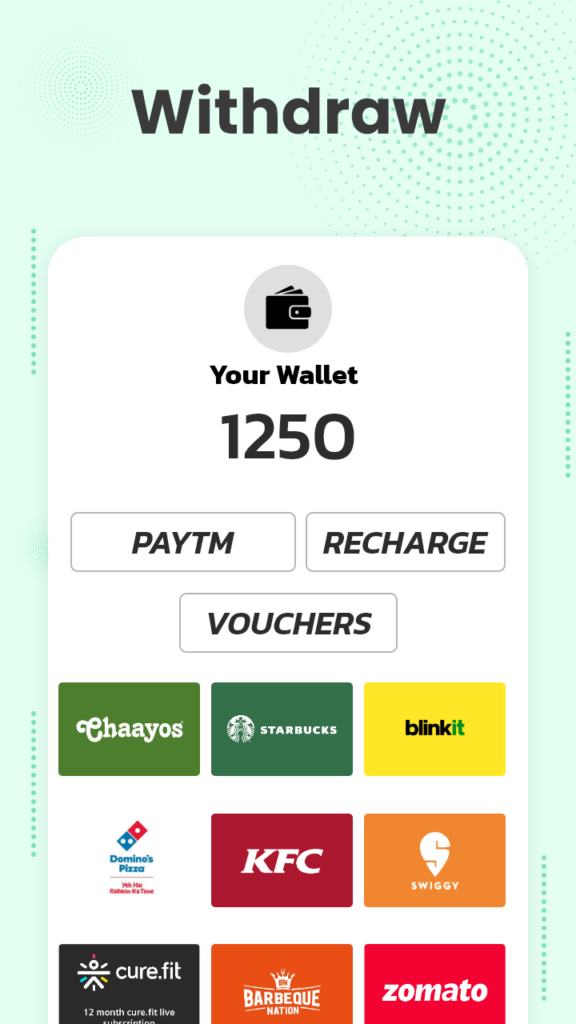
These apps pay you for downloading other apps, taking screenshots of receipts, or completing mobile recharges. TaskBucks was the pioneer, though Google Play removed them (a common fate for these apps more on that later).
The model works like this: Companies pay for user acquisition and engagement. The app splits that payment with you. You download a gaming app, play it for five minutes, and earn ₹15. Simple.
The problems? These apps churn through your phone storage, and many tasks require keeping apps installed for weeks. Your phone becomes a bloated mess of games you’ll never play again. Plus, the best-paying tasks disappear fast—thousands of users are competing for the same limited offers.
Better alternatives now: Apps like Pocket Money, Slidejoy (lockscreen ads), and CashApp operate similarly with slightly better payout structures. But remember our time calculation: If you spend 30 minutes downloading and testing apps to earn ₹50, that’s ₹100/hour. You’re still below minimum wage.
The honest verdict on task apps: They’re best as “waiting time” activities. Stuck in a doctor’s office for an hour? Open one and knock out a few tasks. But treating them as serious income? That’s like expecting to get rich from recycling bottles—technically possible if you dedicate your life to it, but there are smarter paths.
Survey and task apps shine as gateway experiences. They prove earning apps can actually pay. Once you’ve successfully withdrawn ₹100, you trust the concept enough to explore better opportunities. Let’s talk about those now.
Cashback and Shopping Apps That Put Money Back in Your Wallet
Here’s where earning apps shift from “making money” to “not losing money”—which, honestly, might be more valuable. Cashback apps don’t pay you for labor. They pay you for purchases you’d make anyway. It’s like finding coupons that work automatically.
CashKaro: The Cashback Champion Nobody Talks About Enough
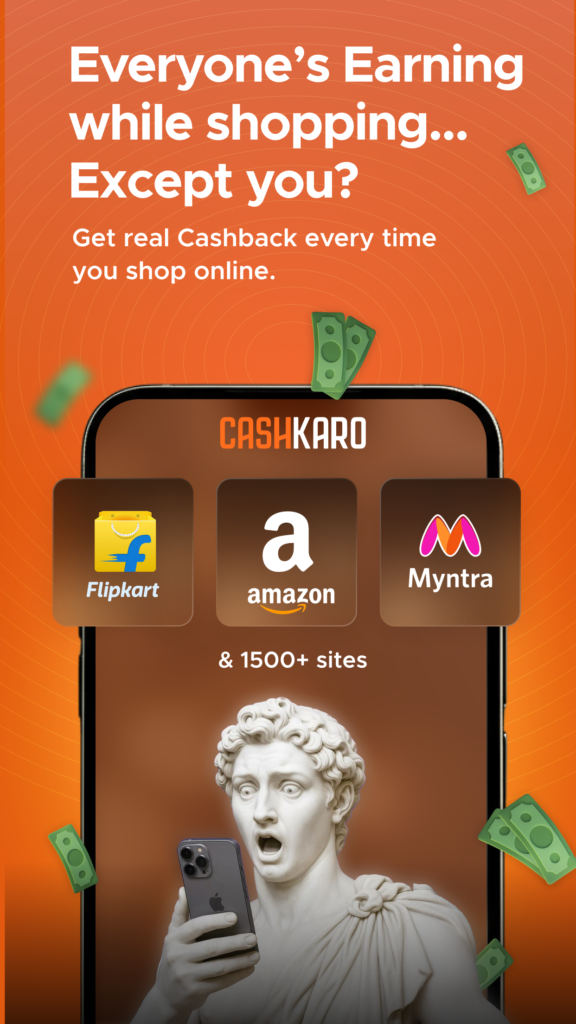
If I could recommend only one earning app to the average Indian shopper, it’d be CashKaro. Here’s how it works: Companies pay affiliate commissions to drive sales. CashKaro pockets that commission, then shares a chunk with you.
You’re buying a laptop from Amazon for ₹45,000. Before checking out, you open CashKaro, click through their Amazon link, and complete your purchase. Amazon pays CashKaro a 2% commission (₹900). CashKaro keeps 40% and transfers ₹540 to your account.
What makes this genius: You were buying the laptop anyway. That ₹540 is pure savings you’d have missed otherwise. Over a year of regular online shopping (groceries from BigBasket, clothes from Myntra, electronics from Flipkart), users report ₹3,000-₹8,000 in cashback.
The catches are real, though:
- Cashback isn’t instant—expect 30-90 day waiting periods while retailers confirm you didn’t return items
- You must click through their link every single time (hard to remember when Amazon’s app is already open)
- Some retailers reduce cashback during sales (they know you’re buying anyway)
My personal hack: I set CashKaro as my default browser homepage on mobile. Now, whenever I shop, I see the reminder. My annual cashback last year: ₹4,200. That’s an international flight booking or two months of groceries, just from shopping I’d do regardless.
See Also: Best UPI Apps In India
Paytm, PhonePe, Google Pay: The UPI Cashback Game
These payment apps aren’t traditional “earning apps,” but their cashback features create earning opportunities if you’re strategic. Most people use them passively and miss 70% of available cashback.
The strategy everyone misses:
- Stack offers: Pay rent using Paytm Credit Card through PhonePe during a cashback promotion. You earn credit card points + PhonePe cashback + any merchant-specific offers. A ₹20,000 rent payment can generate ₹300-500 in combined benefits.
- Bill payment timing: These apps run specialized cashback events on specific days. Paying your electricity bill on “PhonePe Day” might earn 3% back versus 0% on other days. That’s ₹60 saved on a ₹2,000 bill—just for clicking a button on Tuesday instead of Monday.
- Refer and earn (when genuine): Paytm’s referral program pays both parties when someone completes their first transaction. If you’ve got family members still using cash, onboarding them earns you ₹50-100 per person. That’s legitimate—you’re helping the app grow, and they share acquisition costs.
The credit card multiplication trick:
Link these apps to credit cards with their own cashback programs. For example:
- You buy from a PhonePe-linked merchant using HDFC Cashback Card
- HDFC gives 5% cashback on online spending
- PhonePe gives an additional 2% instant discount
- The merchant is running a 10% sale
Your effective discount: 17%. That ₹1,000 purchase costs ₹830, and you just “earned” ₹170 through intelligent stacking.
Reality check: This only works if you’re disciplined. Credit cards with overspending destroy more wealth than cashback creates. These strategies are for people who budget carefully and pay off cards monthly. If that’s not you yet, stick to UPI direct debit until it is.
The beauty of cashback apps is they’re truly passive once set up. Unlike survey apps requiring active time investment, cashback apps work in the background of purchases you’re making anyway. That’s the closest thing to free money—technically no additional effort beyond remembering to click through the right app.
But what if you’re a student with no shopping budget to generate cashback from? That’s where our next category shines.
Best Money Earning Apps in India for Students (No Experience Needed)
Students have something more valuable than money: time and energy. The best money earning app in india for students leverages that advantage—apps that pay for creativity, participation, or academic skills rather than requiring shopping budgets or professional experience.
Content Creation Apps: Your Smartphone as a Studio
The explosion of short-form video created opportunities unimaginable five years ago. Apps like Chingari, Moj, and Josh (India’s answer to TikTok’s ban) actually pay creators through their creator funds and virtual gifting systems.
How it really works:
You create 15-second videos—dance, comedy, cooking tutorials, whatever matches your interest. As your follower count and engagement grow, you become eligible for the creator fund. Chingari, for example, shares ad revenue with top creators. The threshold: typically 1,000 followers and consistent content.
Realistic student earnings: The average creator with 5,000-10,000 followers makes ₹500-₹2,000 monthly. The top 1% with 100,000+ followers can hit ₹10,000-₹50,000. But here’s the catch nobody mentions—getting to 5,000 genuine followers takes 3-6 months of daily posting.
One student I know from Delhi started making “60-second physics explanations” videos. After four months and 180 videos, he had 12,000 followers and earned ₹1,800 last month. His time investment? About an hour daily. That’s roughly ₹60/hour—better than most campus jobs, and he built an audience asset that could grow.
YouTube Shorts monetization just opened to Indian creators. If you’re already making content, repurposing it across YouTube Shorts, Instagram Reels, and Chingari maximizes reach and earnings from the same creative effort.
The warning: These apps are algorithm-dependent. What works today might flop tomorrow. Don’t bank your financial future on viral videos, but as supplementary income while building other skills? It’s legitimate.
Tutoring and Homework Help: Monetizing What You Already Know
If you scored well in JEE, NEET, or board exams, money earning apps in india for students in the tutoring category are gold mines. You’re literally getting paid for knowledge still fresh in your mind.
Doubtnut pays college students to solve high school math and science problems. You submit solutions via photos of your handwritten work. Payment: ₹15-30 per solution, depending on difficulty. Solve 10 problems during your afternoon break—that’s ₹200.
Filo connects students with tutors for one-on-one doubt-clearing sessions. As a tutor, you set your availability (even just 1-2 hours daily) and earn ₹150-300 per hour depending on subject and experience. Engineering students tutoring JEE aspirants report ₹5,000-₹12,000 monthly with part-time hours.
Chegg India operates similarly but with higher quality requirements. They test your subject knowledge before approval, but approved tutors earn ₹150-600 per hour based on subject demand. Physics and advanced math tutors earn at the higher end.
The math that makes this worthwhile: A second-year engineering student spending two hours daily on Filo (₹200/hour average) generates ₹12,000 monthly. That’s more than many part-time campus jobs, with the flexibility to work from your hostel room between classes.
The catch? These platforms have quality controls. Late responses, incorrect answers, or poor ratings reduce your opportunities. Treat it like a real job—show up consistently, deliver quality, and earnings become reliable.
Gaming Apps: The Controversial Category
MPL (Mobile Premier League) and Dream11 dominate conversations about gaming earnings. Here’s where I need to be bluntly honest: These are skill-based gaming platforms, but they operate in legal gray areas and carry financial risks.
Dream11 (fantasy sports) requires you to invest money upfront to join contests. Yes, skilled players win big—but most players lose their entry fees. It’s gambling dressed as skill-based gaming. For every story of someone winning ₹50,000, there are fifty stories of students losing ₹5,000 they couldn’t afford.
MPL offers free tournaments alongside paid ones. The free contests genuinely pay small amounts (₹10-50) for winning games like Fruit Chop or Pool. But earnings are tiny unless you enter paid tournaments, where you’re risking real money.
My stance: If you’re genuinely skilled at a specific game and treat it like poker (risk only what you can afford to lose completely), these platforms can work. But if you’re hoping they’re “earning apps”—they’re not. They’re gaming platforms with prize money, which is fundamentally different.
Better gaming alternative: Twitch or YouTube Gaming streaming. Play games you enjoy, stream your sessions, and build an audience. Monetization takes longer, but you’re not risking money—just time. And you’re building a platform asset, not gambling on individual game outcomes.
For students, the winning combination is usually stacking multiple approaches: content creation for audience building, tutoring for immediate income, and cashback apps for purchase savings. One app won’t replace a job, but three apps used strategically might generate ₹3,000-8,000 monthly while teaching you skills that matter: content creation, teaching, financial discipline.
Note: Due to Promotion and Regulation of Online Gaming Act 2025 (PROGA), Dream11 and other major platforms suspended real-money contests in India, shifting to free-to-play, ad-driven models where user can participate in Live Stream and earn coin and spent coin only.
Skill-Based Earning Apps Where You Trade Time for Real Money
Now we’re entering the territory where earning apps stop being about micro-tasks and start resembling actual freelance work. This is where earning potential jumps from ₹5,000 monthly to ₹20,000-₹50,000—but only if you bring marketable skills to the table.
Freelancing Platforms: Your Skills as Currency
Fiverr, Upwork, and Truelancer aren’t traditional “apps” in the survey-app sense. They’re marketplaces connecting freelancers with clients globally. But they’ve become essential money-earning platforms for Indians with skills in writing, design, programming, or digital marketing.
Read Also: Best Side Hustle Jobs in India
How the ecosystem works:
You create a profile showcasing your skills—graphic design, content writing, video editing, web development, whatever you offer. Clients post projects or buy your pre-packaged “gigs.” You complete work, they pay, the platform takes a cut (typically 20%), and you receive the rest.
Fiverr’s unique angle: You create service listings starting at $5 (though most successful sellers charge $50-500+ for professional work). A graphic designer might offer “Logo Design – 3 Concepts with Revisions – $150.” When someone buys, you deliver, and Fiverr releases payment after client approval.
Real numbers from Indian freelancers I know:
- A content writer from Pune earns ₹35,000-45,000 monthly writing blog articles at $40-80 each
- A video editor from Bangalore makes ₹60,000-₹1.2 lakhs monthly editing YouTube videos for international creators
- A social media manager from Mumbai charges ₹15,000 monthly per client and manages four clients
The brutal honesty: Building a freelance profile takes time. Your first three months might earn ₹2,000 total as you compete with established sellers and accept low-paying projects to build reviews. Month four onwards, with good ratings, earnings multiply. This isn’t passive income—it’s a business.
Truelancer’s Indian advantage: Since it’s India-focused, competition is localized, and pricing matches Indian market rates better. An article that sells for $50 on Upwork might go for ₹1,500 ($18) on Truelancer—still great money for Indian freelancers, but more realistic for Indian clients hiring.
Design and Creative Platforms: Show Your Portfolio, Win Projects
99designs and DesignCrowd operate on a contest model. Clients post design briefs (“I need a logo for my coffee shop”). Designers submit entries. The client picks a winner and pays them. Losers get nothing—just portfolio pieces.
Why this model attracts students and early-career designers:
You’re building a portfolio while competing for paid work. Even if you don’t win, you’ve got spec work to show future clients. Plus, seeing what wins teaches you market preferences faster than any design school.
The economics: A logo contest might pay ₹15,000-₹30,000 to the winner. If 20 designers compete, your odds are 5%. Spend four hours on an entry, win one in twenty contests—that’s roughly ₹750/hour when you win, ₹0/hour when you lose. Over time, experienced designers win 10-15% of contests they enter, making the math work.
Better approach: Use contests for portfolio building and learning in your first 2-3 months. Once you’ve got samples and understand what wins, transition to direct client work on platforms like Upwork or Behance where you charge for time regardless of whether the client picks your concept.
Writing and Translation: The Underestimated Goldmine
If you can write clean English (or possess bilingual skills), writing platforms offer the most accessible high-paying opportunities among skill-based apps.
Internshala isn’t just for finding internships—their “work from home” section lists hundreds of content writing projects. Companies post fixed-price writing jobs: “Write 10 blog articles, ₹500 per article, ₹5,000 total.”
Real example from last week: A startup needed product descriptions for 50 items at ₹100 each. Total project: ₹5,000. Completion time for a decent writer: 8-10 hours. That’s ₹500-625/hour—significantly above what task apps pay.
Freelancer.in focuses on Indian freelancers and clients, meaning less international competition. Writing projects range from ₹3,000-₹15,000 for article series, website content, or technical documentation.
Translation opportunities nobody talks about: India’s linguistic diversity creates massive demand for regional language translation. If you’re fluent in Hindi, Tamil, Bengali, Telugu, or Marathi plus English, apps like Gengo, Unbabel, and TranslatorsCafe pay ₹300-800 per page of translation.
A college student from Kolkata I interviewed translates English marketing materials into Bengali. She works 10-15 hours weekly and earns ₹8,000-₹12,000 monthly. The work fits around her class schedule, and translation skills appreciate over time as she builds speed and accuracy.
The skill investment reality:
Unlike survey apps where anyone can click buttons, skill-based platforms require legitimate abilities. But here’s the encouraging part—you don’t need to be world-class. You need to be “good enough to solve someone’s problem.”
A graphic designer doesn’t need to match Apple’s design team. They need to create better logos than their client could make on Canva. A writer doesn’t need Pulitzer-level prose. They need clear, engaging content that ranks on Google and converts readers.
Most successful freelancers follow this path:
- Months 1-2: Learn the platform, complete low-paying jobs to build reviews (₹2,000-5,000 total)
- Months 3-4: Raise prices slightly, focus on delivering exceptional work (₹8,000-15,000/month)
- Months 5-6: Specialize in a niche, charge premium rates (₹20,000-40,000/month)
- Month 7+: Transition best clients to direct relationships, keep platform for new client acquisition (₹40,000-₹1 lakh+/month)
By month 12, you’re running a legitimate freelance business. The “app” was just the marketplace that connected you with clients.
The difference between skill-based apps and task apps is the difference between owning a business versus working an hourly job. Both have value, but the ceiling on skill-based work is exponentially higher.
Investment and Finance Apps (With Zero Investment Entry Points)
This category makes me nervous to write about because investment apps aren’t really “earning apps”—they’re wealth-building tools that carry risk. But several have referral programs and educational features that let you earn without investing your own money, so let’s navigate this carefully.
Groww and Zerodha: Referral Programs Explained
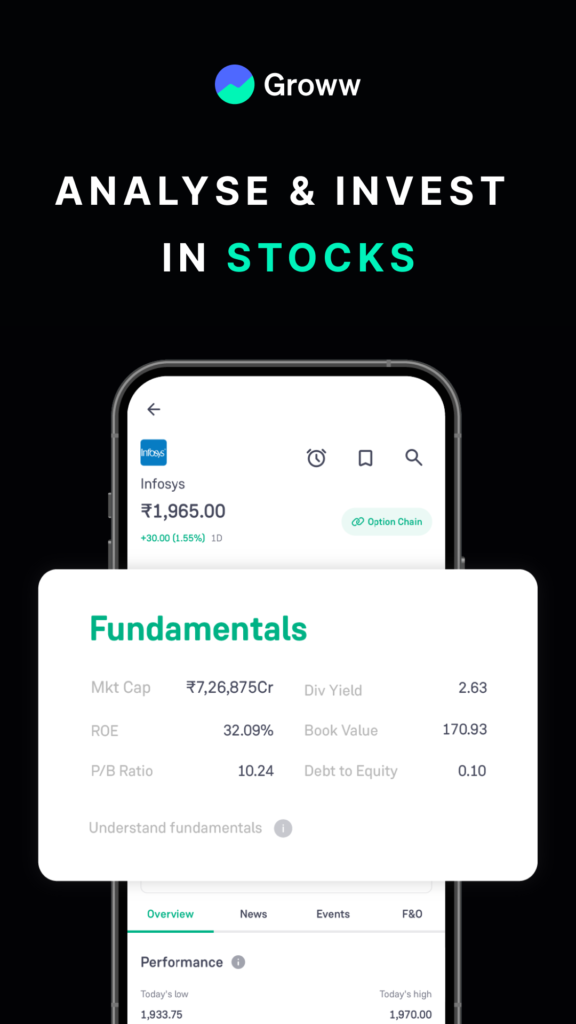
Groww exploded in popularity by making investing simple. Their app interface feels like Instagram, not a confusing trading terminal. Beyond investing, their referral program pays you when friends sign up and complete their first transaction.
How it works: You share your referral code. Your friend downloads Groww, completes KYC verification, and makes their first investment (even ₹100 in a mutual fund counts). You both receive ₹100 in Groww balance. That’s credited to your account and can be used for investments or, depending on current promotions, withdrawn.
Realistic earnings: If you’ve got 10 friends interested in starting investments and you genuinely help them understand mutual funds, that’s ₹1,000. Not life-changing, but a decent reward for spreading financial literacy.
The ethical line: Where this gets murky is when people spam referral links without actually helping friends make good decisions. You’re encouraging someone to invest just so you earn ₹100—that’s where I draw the line. Only share these apps with people genuinely ready to start investing, and actually help them understand the basics.
Learn More on Grow Referal Orgram
Zerodha’s Referral Structure is more generous but harder to achieve. Refer someone who opens a trading account and pays the annual maintenance fee (₹300), and you earn ₹300. The catch: They need to actively trade, not just open an account and forget it.
Cube Wealth: The “Refer and Earn” That Actually Feels Fair
Cube Wealth is a wealth management app offering personalized investment advice. Their referral program pays ₹250 when your referral completes their first SIP (Systematic Investment Plan) of any amount.
Why I’m more comfortable recommending this: SIPs are disciplined, long-term investments, not speculative trading. If you’re referring a friend to start a monthly ₹500 SIP in an index fund, you’re potentially improving their financial future. The ₹250 you earn feels like a fair reward for spreading good financial habits.
My experience: I referred three friends in college who wanted to start investing but found Zerodha intimidating. Cube’s simplified approach worked for them, they each started ₹1,000 monthly SIPs, and I earned ₹750 total. More importantly, one year later, they’re still investing and their portfolios are up 12-18%. That feels like a win-win.
Why I’m Cautious About Recommending Stock Market Apps to Beginners
Here’s where I need to pump the brakes on calling investment apps “earning apps.” Stock markets create wealth over decades, not quick money in weeks. Apps like Upstox, Angel One, and 5paisa have referral programs similar to Groww and Zerodha, but here’s what worries me:
The gamification problem: Many trading apps now look like gaming apps—bright colors, achievement badges, “daily streaks” for logging in. They’re psychologically designed to encourage frequent trading. Frequent trading is how most retail investors lose money.
Studies show 90% of active traders underperform simple index fund investments. That’s because:
- They time the market poorly (buying high on excitement, selling low in panic)
- They pay transaction fees on every trade that eat into returns
- They trade on emotion rather than research
If you’re new to investing: Don’t use trading apps for quick earnings. Use them to learn, invest small amounts in diversified mutual funds or index funds, and let time do the work. The real “earning” from investment apps comes from compound growth over 5-10+ years, not referral bonuses this month.
The legitimate “no investment required” approach:
Many investment apps now offer educational content with rewards. Groww and Uplearn give you quiz-based rewards for completing investment courses. You learn about mutual funds, taxation, portfolio building, and earn ₹50-100 in credits. That’s educational income—you’re being paid to learn skills that help you build wealth later.
Angel One’s virtual trading lets you practice with ₹1 lakh in fake money. You can’t earn real money from it, but you learn risk-free. Think of it as a flight simulator for investors—crash and burn here, not with your actual savings.
My honest recommendation hierarchy for finance apps:
- First priority: Learn basic personal finance through apps like Finology or ET Money’s educational sections (some have reward programs)
- Second priority: Start small SIPs through Groww or Kuvera in index funds (₹500-1,000 monthly)
- Third priority: Only after 6-12 months of consistent investing, consider referring friends (if they’re genuinely ready)
- Never: Don’t day-trade or encourage others to day-trade just for referral bonuses
Investment apps have a place in your financial life, but they’re not “earning apps” in the same sense as freelancing or cashback. The earnings come from making your money work for you over time, not from clicking tasks or completing surveys.
The Reality Check: How Much Can You Actually Earn?
Let’s cut through the Instagram screenshots and YouTube thumbnails promising “₹50,000 monthly from your phone!” Here’s what real earnings look like when you’re honest about time investment and realistic about outcomes.
Breaking Down Realistic Monthly Earnings by App Category:
Survey and Task Apps:
- Casual use (30 mins daily): ₹500-1,200/month
- Dedicated use (2 hours daily): ₹2,000-4,000/month
- Effective hourly rate: ₹80-150/hour
These apps are your lowest-earning category but require zero skills. They’re best for filling dead time—commutes, waiting rooms, TV commercial breaks.
Cashback and Shopping Apps:
- Light shopper (₹10,000 monthly purchases): ₹300-600/month
- Heavy shopper (₹30,000+ monthly purchases): ₹1,000-3,000/month
- Strategic stacker (combining offers): ₹2,000-5,000/month
The beauty here: minimal time investment after initial setup. The “earnings” come from not losing money on purchases you’d make anyway.
Content Creation Apps:
- First 3 months (building audience): ₹0-500/month
- Established creator (5,000-10,000 followers): ₹1,000-3,000/month
- Successful creator (50,000+ followers): ₹10,000-50,000+/month
- Time investment: 1-3 hours daily for content creation and engagement
This is the highest variance category. Most creators earn nothing. The top 10% earn well. Success depends on consistency, quality, and luck (algorithm favor, timing, trend-riding).
Tutoring and Homework Help:
- Part-time (1-2 hours daily): ₹6,000-12,000/month
- Serious commitment (4-5 hours daily): ₹20,000-40,000/month
- Effective hourly rate: ₹200-400/hour depending on subject and platform
This is the most reliable category for students with strong academic backgrounds. Earnings directly correlate with time invested and subject expertise.
Skill-Based Freelancing:
- First 2-3 months (building profile): ₹2,000-8,000/month
- Established freelancer (6+ months): ₹20,000-50,000/month
- Expert specialist (12+ months): ₹50,000-₹2 lakhs+/month
- Effective hourly rate: ₹300-1,500/hour depending on skill and client base
This has the highest ceiling but requires legitimate marketable skills and business discipline.
The Time Investment vs. Payout Reality Nobody Discusses:
Let’s work through a real example with brutal honesty:
Scenario: College student tries to earn ₹5,000/month from apps
Survey Apps Only:
- Needs to earn ₹165 daily (₹5,000 ÷ 30 days)
- Average survey app pays ₹100/hour
- Requires 1.65 hours daily = ~50 hours monthly
- Outcome: Achievable but soul-crushing. You’re working 50 hours for ₹5,000 = ₹100/hour, which is below minimum wage in many cities.
Mixed Strategy:
- Cashback apps: ₹800 (5 mins setup, passive thereafter)
- Tutoring app: ₹3,000 (1 hour daily × 30 days × ₹100/hour)
- Content creation: ₹500 (building audience, not yet monetizing well)
- Task apps: ₹700 (filling spare 15-minute gaps)
- Total: ₹5,000
- Time investment: ~35 hours monthly (1 hour daily + setup time)
- Outcome: More sustainable. ₹143/hour, and you’re building assets (audience, tutoring reputation) that appreciate over time.
Skill-Based Focus:
- Freelance writing on Internshala: ₹5,000 (one project)
- Time investment: 8-10 hours
- Outcome: ₹500-625/hour, but requires writing skills and ability to land projects
The math reveals the harsh truth: If you’re purely optimizing for money-per-hour, getting a part-time job at a café (₹150-200/hour) or tutoring neighborhood kids in person (₹300-500/hour) beats most earning apps.
When Earning Apps Make Sense (And When They Don’t):
Earning apps win when:
- You need extreme flexibility (study schedule, caregiving responsibilities)
- You’re building skills with market value (content creation, freelancing)
- You’re monetizing time that would otherwise be wasted (commutes, waiting)
- You’re stacking passive earnings (cashback) with active income
A part-time job wins when:
- You can commit to fixed hours
- You value social interaction and leaving your room
- You need reliable, predictable income
- The hourly rate significantly beats app earnings
The hybrid approach most smart students use:
- Cashback apps for all purchases (5 mins setup, passive earnings)
- One skill-based platform (freelancing or tutoring) as primary income
- Content creation as a long-term investment (building audience assets)
- Survey apps deleted entirely (poor time-to-money ratio)
This generates ₹8,000-15,000 monthly with 20-30 hours of actual work, while building skills that matter after graduation: communication, client management, content creation, financial discipline.
The Brutal Truth About “Passive Income” from Apps:
There’s no such thing as truly passive income from earning apps unless you’re talking about cashback apps, which only work if you’re shopping anyway. Everything else requires:
- Active time: Completing tasks, creating content, tutoring students
- Maintenance time: Managing clients, updating profiles, engaging with audiences
- Learning time: Improving skills to command higher rates
People selling courses on “passive income from earning apps” are making money from courses, not from the apps themselves. That’s the real business model—selling the dream of passive income is more profitable than actually pursuing passive income.
The one exception: Build a popular content channel (YouTube, Instagram) over 1-2 years. Once established, ad revenue and sponsorships become semi-passive—you’ve built an asset that generates income with less effort than early stages. But that’s building a business, not using an earning app casually.
See Also: Paytm vs PhonePe
Conclusion
So here’s what we’ve learned about earning apps in India after cutting through the hype and examining the reality:
The apps that actually pay fall into clear categories: survey and task apps for micro-earnings, cashback apps for smart shopping, content creation for long-term audience building, tutoring for immediate decent income, and skill-based freelancing for the highest ceilings.
Most people will earn ₹500-2,000 monthly from casual app use. The dedicated users stacking multiple strategies hit ₹5,000-15,000 monthly. The top performers treating freelancing platforms as real businesses reach ₹50,000+ monthly—but they’re running businesses, not casually using apps.
Your next step depends on where you are right now:
If you’re a complete beginner: Download CashKaro today before your next online purchase. Sign up for Google Opinion Rewards. That’s it. Start simple, see real money hit your account, and build trust in the ecosystem.
If you’re a student with spare time: Explore Doubtnut or Filo if you’re academically strong. Try content creation on Chingari or YouTube Shorts if you’re creative. Give yourself 30 days to test without pressure, then double down on what works.
If you have marketable skills: Stop wasting time on survey apps. Create a Fiverr or Upwork profile today. Your first month will be slow and frustrating. Push through. Month three is when earnings jump.
The real wealth isn’t in the apps themselves—it’s in what you learn while using them. Financial discipline from tracking cashback. Content creation skills from making videos. Client management from freelancing. These skills compound long after you’ve moved beyond earning apps.
Download one app today. Complete one task. Withdraw your first ₹10. That tiny win proves it’s real, and real is where every journey starts.
FAQ Section
Q: Which is the best money earning app in India without investment?
A: For complete beginners, CashKaro wins because it requires zero time investment beyond clicking through their links before purchases you’d make anyway. For students with time, Filo or Doubtnut offer the best hourly rates (₹150-300/hour) for tutoring. For skill-based earners, Fiverr has the highest income ceiling. There’s no single “best” app—it depends on whether you’re optimizing for ease, hourly rate, or total earning potential.
Q: How much can I realistically earn from earning apps monthly?
A: Casual users (30 minutes daily) earn ₹500-1,200/month. Dedicated users (2-3 hours daily) across multiple apps hit ₹5,000-10,000/month. Skilled freelancers treating platforms as businesses earn ₹20,000-₹1 lakh+ monthly. The top 1% promoting courses or running agencies through these platforms earn even more, but they’re running full businesses, not casually using apps. Set realistic expectations: earning apps supplement income, they rarely replace full-time jobs.
Q: Are earning apps safe, or will they steal my data?
A: Legitimate apps from recognized companies (Google Opinion Rewards, Paytm, Fiverr, Upwork) are generally safe and comply with data protection regulations. Red flags include apps requesting unnecessary permissions (why does a survey app need your photo gallery?), apps with no company information, and apps requiring upfront payments. Check reviews on trusted sources, verify the company exists through MCA registration searches, and never share banking passwords or OTPs. Your data is valuable—only share it with platforms that have proven track records and clear privacy policies.
Q: Can students under 18 use earning apps in India?
A: It depends on the specific app. Google Opinion Rewards requires you to be 18+. Freelancing platforms like Fiverr and Upwork require 18+ to create accounts and receive payments (PayPal/bank transfers require adult accounts). Content creation apps like YouTube have age restrictions (13+ with parental consent for ad revenue). Cashback apps can be used with parent permission since purchases are typically made by adults anyway. If you’re under 18, focus on building skills now (learning design, writing, coding) so you can hit the ground running when you’re eligible. Some apps allow parental co-management of accounts—check individual terms of service.
Read Also: Zerodha Vs Upstox
Q: Do I need to pay taxes on income from earning apps?
A: Yes, technically all income is taxable in India. However, there’s a basic exemption limit (₹2.5 lakhs annually for individuals under 60). If your total annual income from all sources (job + apps) stays below this threshold, you don’t pay tax but should still file returns for record-keeping. If you’re earning ₹20,000+ monthly from apps (₹2.4 lakhs annually), you’re approaching taxable territory. Freelancing income is treated as “business and profession” income. Keep records of your earnings, and consult a CA if your app income exceeds ₹50,000 annually. Most casual users earning ₹500-2,000/month won’t hit tax thresholds, but it’s your legal responsibility to understand and comply with tax laws.