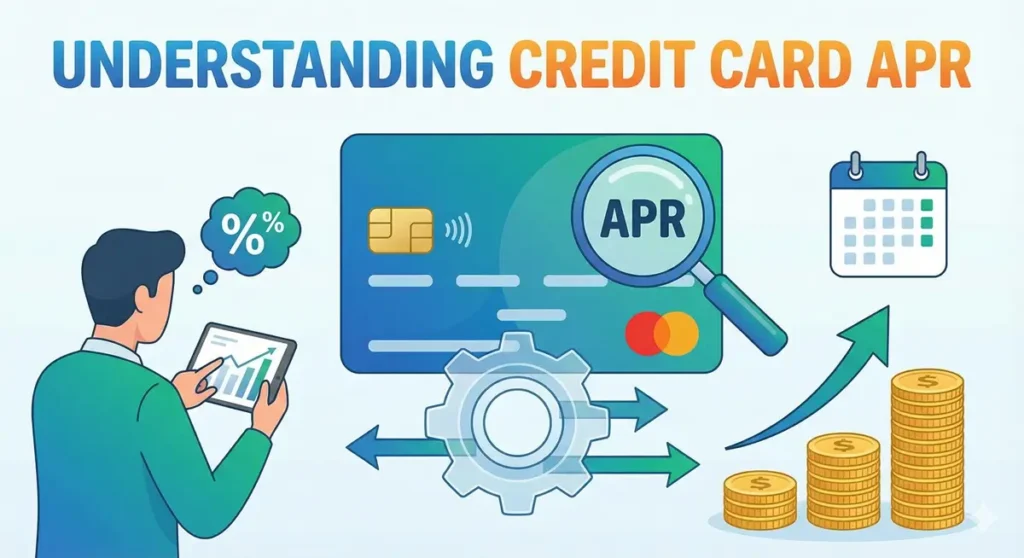
Understanding how credit card APR works can save you thousands of rupees in interest charges. Whether you’re applying for your first credit card or managing multiple cards, knowing the ins and outs of Annual Percentage Rate (APR) is crucial for smart financial management.
What Is Credit Card APR?
Credit card APR, or Annual Percentage Rate, represents the yearly cost of borrowing money on your credit card when you carry a balance. It’s the interest rate you’ll pay if you don’t pay off your full balance by the due date each month.
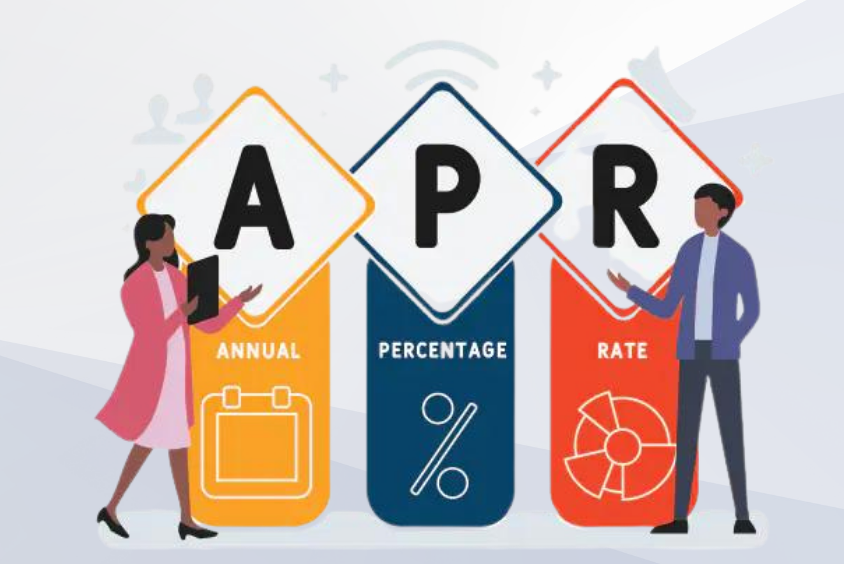
Unlike simple interest rates, credit card APR is compounded daily, which means interest charges accumulate on your balance every single day. This compounding effect can significantly increase your debt if you’re not careful about paying off balances promptly.
When you use best credit cards for online shopping or any credit card for purchases, understanding APR helps you make informed decisions about when and how to use credit.
Types of Credit Card APR You Should Know
Credit cards typically have multiple APR types, each applying to different transaction categories:
Purchase APR is the interest rate charged on regular purchases. This is what most people mean when they talk about credit card interest rates. Purchase APR typically ranges from 14.99% to 29.99%, depending on your credit score and the card issuer.
Balance Transfer APR applies to balances you transfer from other credit cards. Many balance transfer credit cards offer promotional 0% APR for 12-21 months, making them excellent tools for debt consolidation.
Cash Advance APR is charged when you withdraw cash using your credit card at ATMs or banks. This rate is usually higher than purchase APR (often 25-30%) and starts accruing immediately without any grace period.
Penalty APR can reach as high as 29.99% and is triggered by late payments, returned payments, or other violations of your card agreement. This punitive rate can apply to your existing balance and all future purchases.

Introductory APR is a promotional rate offered to new cardholders, often 0% for purchases, balance transfers, or both. These promotional periods typically last 6-21 months before reverting to the standard APR.
How Is Credit Card Interest Calculated?
Understanding the credit card interest calculation process helps you anticipate charges and manage your balance effectively.
Step 1: Determine Your Daily Periodic Rate Your annual APR is divided by 365 days. For example, if your credit card has an 18% APR: 18% ÷ 365 = 0.0493% daily periodic rate
Step 2: Calculate Your Average Daily Balance The issuer adds up your balance for each day in the billing cycle and divides by the number of days in that cycle. Every purchase, payment, and previous interest charge affects this number.
Step 3: Apply the Daily Rate The daily periodic rate is multiplied by your average daily balance for each day of the billing cycle.
The Formula: (Average Daily Balance × Daily Periodic Rate × Number of Days in Billing Cycle) = Interest Charge
For example, with an average daily balance of $2,000, an 18% APR, and a 30-day billing cycle: ($2,000 × 0.0493% × 30) = $29.58 in interest charges
This is why even small balances can accumulate significant interest over time.
Understanding the Grace Period
The grace period is your interest-free window—typically 21 to 25 days between the end of your billing cycle and your payment due date. If you pay your full statement balance during this period, you won’t be charged any interest on purchases.
However, there’s a crucial caveat: grace periods only apply if you paid your previous statement balance in full. Once you carry a balance, new purchases typically start accruing interest immediately, and you lose the grace period until you pay everything off.
This is why using best cashback credit cards strategically means paying your balance in full each month to maximize rewards without paying interest.
Variable APR vs. Fixed APR: What’s the Difference?
Variable APR is tied to an economic index, usually the Prime Rate. When the Federal Reserve changes interest rates, your variable APR adjusts accordingly. Most credit cards today feature variable APRs, which means your rate can increase or decrease based on market conditions.
Fixed APR doesn’t mean your rate will never change. Card issuers can still increase fixed rates, but they must provide 45 days’ advance notice. The “fixed” designation simply means the rate isn’t directly linked to market indexes.
With current economic conditions in 2026, monitoring APR changes is more important than ever for managing credit card costs.
How Does APR Affect Your Monthly Payment?
Your APR directly impacts how much you’ll pay each month and how long it takes to eliminate debt. Let’s look at a practical example:
If you have a $5,000 balance with a 20% APR and make only the minimum payment (typically 2-3% of the balance), you could end up paying over $7,500 total and take more than 15 years to pay off the debt.
However, if you pay $200 monthly on that same balance, you’ll pay it off in about 32 months with roughly $1,500 in interest—a savings of $6,000.
This dramatic difference shows why understanding APR and creating an aggressive repayment strategy matters.
Credit Card APR and Your Credit Score
Your credit score significantly influences the APR you’re offered. Here’s the typical breakdown:
- Excellent Credit (750+): 14.99% – 19.99% APR
- Good Credit (700-749): 19.99% – 23.99% APR
- Fair Credit (650-699): 23.99% – 26.99% APR
- Poor Credit (below 650): 26.99% – 29.99% APR
Improving your credit score can qualify you for better APRs, potentially saving thousands in interest charges. If you’re building credit, consider starting with secured credit cards that offer more accessible approval requirements.
How to Minimize Credit Card Interest Charges
Pay Your Balance in Full Every Month This is the single most effective strategy. When you pay your full statement balance by the due date, you avoid all interest charges regardless of your APR.
Make Payments More Than Once Per Month Making multiple payments throughout your billing cycle reduces your average daily balance, which directly lowers interest charges even if you can’t pay in full.
Use Balance Transfer Cards Strategically Transfer high-interest balances to cards offering 0% introductory APR on balance transfers. This gives you 12-21 months to pay down principal without accumulating interest.
Negotiate a Lower APR If you have a strong payment history and good credit, call your card issuer and request a rate reduction. Many issuers will lower your APR to retain good customers.
Consider Debt Consolidation If you’re carrying balances across multiple cards, consolidating to a single low-interest personal loan might offer better terms than high credit card APRs.
Avoid Cash Advances Cash advances come with higher APRs, no grace periods, and additional fees. Explore alternatives like instant personal loans if you need quick cash.
Common Credit Card APR Mistakes to Avoid
Ignoring the Fine Print Always read the Schumer Box in your credit card agreement, which clearly outlines all APRs, fees, and terms. Understanding when promotional rates expire prevents unwelcome surprises.
Missing Payment Due Dates Late payments can trigger penalty APRs that apply to your entire balance and future purchases. Set up automatic payments to avoid this costly mistake.
Only Making Minimum Payments Minimum payments barely cover interest charges, keeping you in debt for years. Always pay more than the minimum when possible.
Assuming 0% APR Means Free Money Promotional 0% APR offers are valuable tools, but any remaining balance after the promotional period ends will accrue interest at the standard rate—often retroactively on some cards.
Mixing Cash Advances with Purchases Payments are typically applied to lower-APR balances first, meaning your cash advance balance (with its higher APR) lingers longer and costs more.
APR on Rewards Credit Cards
Many premium rewards cards like travel credit cards or cashback cards carry higher APRs than basic cards. The rewards and benefits can be valuable, but only if you pay your balance in full monthly.
Carrying a balance on a rewards card quickly negates any benefits. For instance, earning 2% cashback while paying 20% APR creates a net loss of 18%. The rewards maximize value only when you avoid interest charges entirely.
Frequently Asked Questions About Credit Card APR
What is a good APR for a credit card? A good APR is typically below 18%, though what’s “good” depends on current market rates and your credit profile. Excellent credit can qualify you for rates as low as 14-16%, while rates above 25% are generally considered high.
Does APR apply if I pay my balance in full? No. If you pay your full statement balance by the due date, you won’t be charged any interest on purchases made during that billing cycle, making your APR effectively irrelevant.
How often does credit card APR change? Variable APRs can change whenever the Prime Rate changes, which is determined by the Federal Reserve. Fixed APRs can change too, but issuers must provide 45 days’ notice before increases.
Can I negotiate my credit card APR? Yes. If you have good payment history and decent credit, calling your issuer to request a lower rate can be successful. Mention competitive offers or your loyalty as a customer.
What’s the difference between APR and interest rate? For credit cards, APR and interest rate are essentially the same thing since credit cards don’t have additional fees built into the APR calculation like some loans do.
Does checking my APR affect my credit score? No. Checking your current APR on existing accounts doesn’t affect your credit score. However, applying for new cards triggers hard inquiries that can temporarily lower your score.
How is APR different from APY? APR (Annual Percentage Rate) is the yearly interest rate without compounding, while APY (Annual Percentage Yield) includes compound interest. Credit cards use APR but compound daily, making the effective rate higher.
Can penalty APR be removed? Sometimes. If you’ve had one late payment but otherwise maintain good account standing, call your issuer and request they remove the penalty APR. Many will agree as a one-time courtesy.
Do debit cards have APR? No. Debit cards draw directly from your bank account, so there’s no borrowing and therefore no APR. This is one reason why choosing between debit and credit cards depends on your financial discipline.
What happens to my APR if I close my credit card? Your APR remains on any balance you still owe. You’re still responsible for paying off the balance plus interest until it’s paid in full, even after closing the account.
Conclusion
Understanding how credit card APR works empowers you to make smarter financial decisions and avoid unnecessary interest charges. From recognizing different APR types to calculating daily interest charges, this knowledge helps you use credit cards as beneficial financial tools rather than expensive debt traps.
The most important takeaway is simple: APR only costs you money when you carry a balance. By paying your full statement balance each month, you can enjoy all the benefits that premium credit cards offer—rewards, protections, and convenience—without ever paying a penny in interest.
When life circumstances require carrying a balance, focus on understanding how interest accumulates, making strategic payments, and working toward eliminating high-APR debt. Whether you’re maximizing rewards on the best credit cards in India or managing existing balances, APR knowledge is your foundation for credit card success.
Take control of your credit card usage today by reviewing your current APRs, setting up payment reminders, and committing to strategies that minimize interest charges. Your future financial self will thank you for the thousands of rupees saved by mastering this essential aspect of personal finance.
