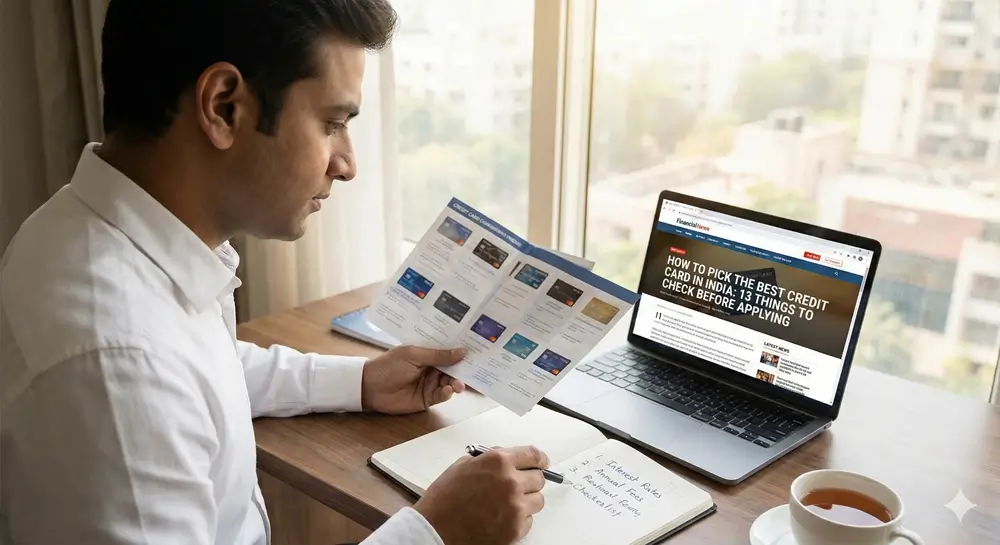
Choosing the right credit card in India can feel confusing because there are hundreds of options from major banks like HDFC Bank, SBI, ICICI Bank, Axis Bank, Kotak, IndusInd, and more. Each card comes with different fees, benefits, reward systems, eligibility rules, and hidden charges.
If you are a first-time credit card user or planning to upgrade to a better card, understanding how to choose the right credit card is essential. A credit card can either become your best financial tool—or a trap—depending on what you choose.
This detailed, beginner-friendly and SEO-optimized guide will help you understand how to pick the best credit card based on your lifestyle, spending habits, and financial goals. You will also learn how to choose your first credit card if you are new to credit.
Let’s dive in.
1. Credit Score Requirement — The First Step in Choosing the Right Credit Card
When thinking about how to choose the right credit card, your credit score is the most important factor. In India, credit scores are mainly checked through CIBIL, and banks prefer applicants with a score of 750 or higher.
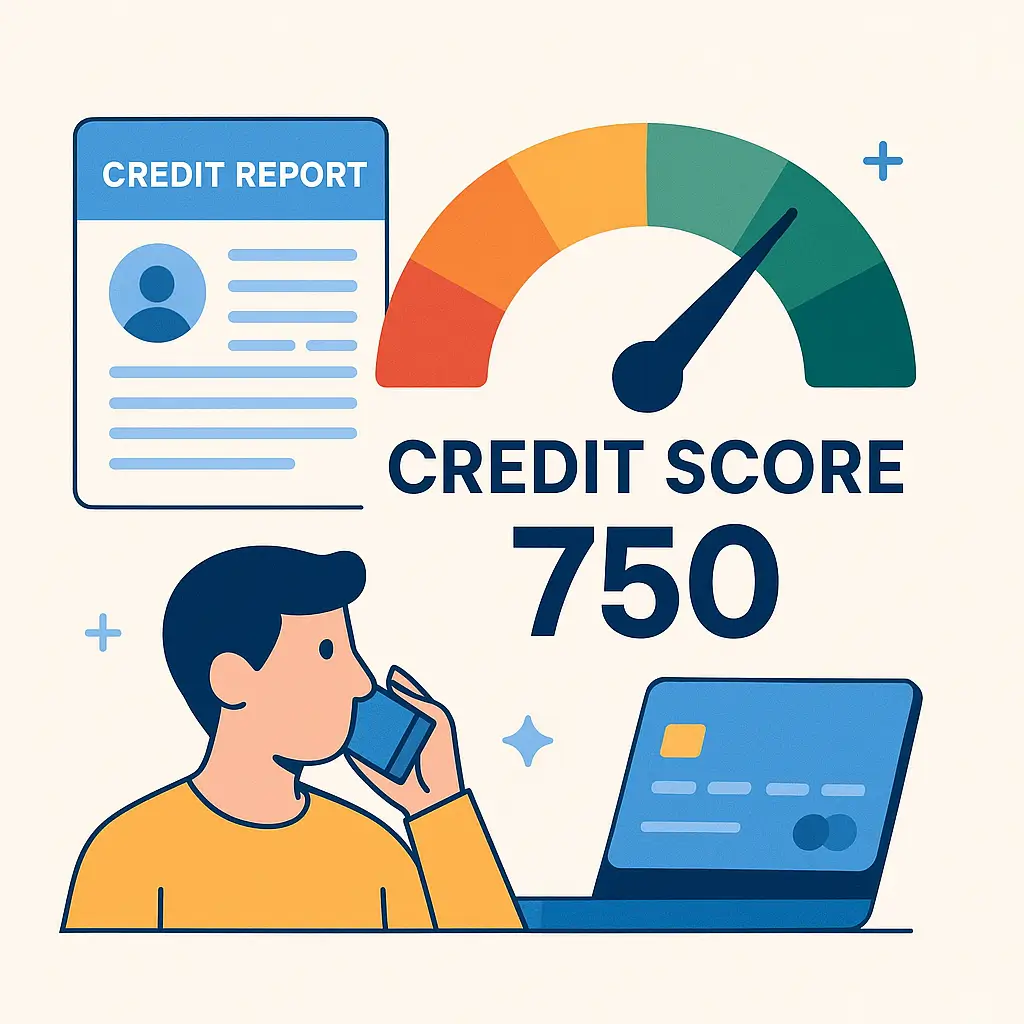
Why your credit score matters:
-
It determines whether your credit card application will be approved
-
It influences the credit limit banks offer
-
A higher score means access to premium cards
-
Better scores help you negotiate interest rates and benefits
Credit Card Options Based on Score
-
CIBIL 750+: Eligible for premium cards (travel, cashback, rewards, lifestyle)
-
CIBIL 650–749: Eligible for entry-level and mid-range cards
-
Below 650 / No score: Go for secured credit cards (against Fixed Deposit)
If you’re wondering how to choose your first credit card with no credit history, start with:
✔ Secured card
✔ Zero annual fee card
✔ Basic cashback card
This helps you build your CIBIL score safely.
See Also:Best Work From Home Without Investment: Start Earning Today
2. Interest Rates — A Key Factor in How to Pick the Best Credit Card
Interest rate is the cost you pay if you don’t pay your credit card bill on time.
Most Indian credit cards charge 30–42% interest annually, which is one of the highest among financial products.
When evaluating how to pick the best credit card, always check:
-
Monthly interest rate (Avg: 2.5–3.6%)
-
Interest-free days (Usually 45–55 days)
-
Penalties on late payments
Why Interest Rate Matters
If you plan to carry a balance, a card with a lower interest rate is more important than rewards.
Example: Paying only minimum due can trap you in debt quickly.
Tip: If you’re learning how to choose the right credit card, avoid cards that have extremely high monthly interest unless the benefits justify it.
3. Annual Fee — Decide If the Card Is Worth It
Every credit card has a fee structure:
-
Lifetime Free (LTF) Cards: No annual fee
-
Low Annual Fee Cards: ₹199–₹999
-
Premium Cards: ₹2,500–₹10,000+
-
Super-Premium Cards: ₹20,000–₹1,00,000
Before deciding how to pick the best credit card, ask yourself:
→ Will the benefits (cashback, miles, lounge access, vouchers) cover the annual fee?
Fee Waiver
Most Indian banks waive the annual fee if you spend a certain amount in a year.
Example: Spend ₹1 lakh a year → Fee waived.
This is helpful if you’re thinking how to choose your first credit card without high costs.
4. Credit Limit — Important for Safety, Convenience & Credit Score
Your credit limit is the maximum amount you can spend on your card.
Higher credit limit =
✔ Better credit score (due to low utilization)
✔ More financial flexibility
✔ Easier travel bookings and online purchases
But many beginners make the mistake of choosing cards with very low limits.
What to Expect
-
New users: ₹20,000 – ₹1,00,000
-
Stable income: ₹1,00,000 – ₹3,00,000
-
High income: ₹3,00,000 – ₹10,00,000+
Understanding this helps you learn how to choose the right credit card based on your income.
5. Analyze Your Current Spending — The Most Important Step
When learning how to pick best credit card, one golden rule is:
Pick a credit card based on where you spend the most money.
Here’s how you can analyze your spending:
-
Check your phone’s expense tracker
-
Review bank statements of last 3 months
-
Identify top 3 spending categories
Spending Categories (India-Specific)
-
Online shopping (Amazon, Flipkart, Myntra)
-
Travel (flights, hotels, fuel)
-
Groceries
-
Utilities (mobile bills, electricity, DTH, Wi-Fi)
-
Dining
-
Entertainment
-
Fuel (daily commute)
Match Card to Your Spending
-
Big online shopper → Amazon ICICI / Flipkart Axis
-
Traveller → HDFC Regalia / SBI Vistara / Axis Atlas
-
Fuel expenses → BPCL SBI / HPCL ICICI
-
Dining → RBL Zomato Edition
-
Groceries → Cashback cards like Axis Ace
If you understand your spending, choosing the right credit card becomes easy.
See Also: How to Save Money Fast on a Low Income (2026 Guide)
6. Charges — Hidden Costs Every Indian Should Know
Before deciding how to choose your first credit card, it’s important to understand all charges involved.
Common Credit Card Charges
✔ Late Payment Charges (₹200–₹1,300)
✔ Cash Withdrawal Fee (2.5% to 3%)
✔ Finance Charges (up to 42% APR)
✔ Over-limit Fee
✔ Foreign Transaction Fee (1.75–3.5%)
✔ Card Replacement Fee
✔ EMI Processing Fee
Many people only look at rewards without checking these hidden charges.
To truly know how to pick best credit card, ensure the charges match your usage pattern.
7. Choose a Card and Apply — The Application Stage
After comparing all features, it’s time to apply. But choosing where to apply is equally important.
Where to Apply?
-
Official bank website
-
Bank branch (ideal for new users)
-
Trusted financial portals
-
Pre-approved offers from your bank
Requirements
-
PAN Card
-
Aadhaar Card
-
Salary slips or ITR
-
Bank statements
Banks also analyse your credit behavior, job stability, and income type as part of how to choose the right credit card applicant profile.
8. Rewards — Earn Points on Every Spend
Rewards are the backbone of most Indian credit cards.
Types of Rewards:
-
Reward points
-
Accelerated rewards (10X, 5X points)
-
Welcome bonus
-
Milestone bonus
Useful for:
✔ Travel
✔ Shopping
✔ Vouchers
✔ Luxury perks
If you’re learning how to pick the best credit card, choose a card whose reward system matches your lifestyle.
9. APR (Annual Percentage Rate)
APR is the total annual cost of borrowing money on your card.
It includes:
-
Interest
-
Finance charges
-
Some processing costs
A lower APR saves more money if you ever miss a payment.
Understanding APR helps you decide how to choose the right credit card for long-term use.
10. Cashback — Simple & Effective for Indian Users
Cashback is the most preferred benefit in India.
Best Cashback Scenarios:
-
Utility bills
-
Mobile/DTH recharge
-
Online shopping
-
UPI payments (on select cards)
-
Dining
Examples:
-
Axis Ace (5% cashback on bills)
-
SBI Cashback
-
ICICI Amazon Card
If your priority is simple savings, cashback cards are the easiest option in how to pick best credit card.
11. Identify Your Goals — Why Do You Need a Credit Card?
Before choosing any card, list your goals:
-
Do you want to save money?
-
Do you travel often?
-
Need lounge access?
-
Want to build credit score?
-
Want to earn cashback?
-
Want brand-specific discounts?
Matching your goal with the right card is key to how to choose the right credit card for your lifestyle.
12. Loyalty Programs — Extra Benefits for Regular Users
Many premium and travel cards offer loyalty programs like:
-
Free lounge access
-
Hotel memberships
-
Reward tier upgrades
-
Exclusive partner discounts
-
Priority customer service
If you are someone who travels or shops frequently, loyalty perks can give long-term value.
13. Understand the Different Card Types — Essential for First-Time Users
To understand how to choose your first credit card, you must know all types of credit cards available in India:
1. Cashback Credit Cards
Great for savings on daily expenses.
2. Rewards Credit Cards
Good for earning points which can be redeemed later.
3. Travel Credit Cards
Offer miles, free lounges, hotel benefits.
4. Fuel Credit Cards
Help save on rising petrol/diesel prices.
5. Co-branded Cards
Best for brand loyalists (Amazon, Flipkart, Indigo, Tata Neu).
6. Secured Credit Cards
Perfect for beginners with no credit history.
Choosing the right type ensures you get the maximum value and avoid paying for benefits you don’t use.
See Also: Best Side Hustle in India: Start Earning Today (2026)
Conclusion
Understanding how to choose the right credit card becomes easier when you consider your income, credit score, spending pattern, goals, charges, and reward structure. Every credit card is designed for a specific lifestyle, so the key is to match the card with your daily needs.
Whether you are looking for how to pick the best credit card or how to choose your first credit card, remember:
✔ Choose a card based on your spending categories
✔ Compare fees vs rewards
✔ Never ignore hidden charges
✔ Aim for the card that provides maximum savings and benefits
A good credit card isn’t the most expensive one—it’s the one that saves you the most money.
FAQs: How to Choose the Right Credit Card in India
1. What is the best credit card for beginners in India?
Beginners should choose lifetime free, secured, or basic cashback cards like ICICI Amazon Pay or SBI SimplyClick.
2. How do I choose the right credit card if I have no credit score?
Go for a secured credit card against a Fixed Deposit (FD). It helps you build credit quickly.
3. Is cashback better than reward points?
For everyday users, cashback is simpler and more valuable. Rewards are better for frequent shoppers and travellers.
4. What credit score do I need for approval?
Banks usually prefer CIBIL 750+, but some cards work even with lower scores.
5. Can I have more than one credit card?
Yes, having 2–3 cards is normal and helps maximize rewards.