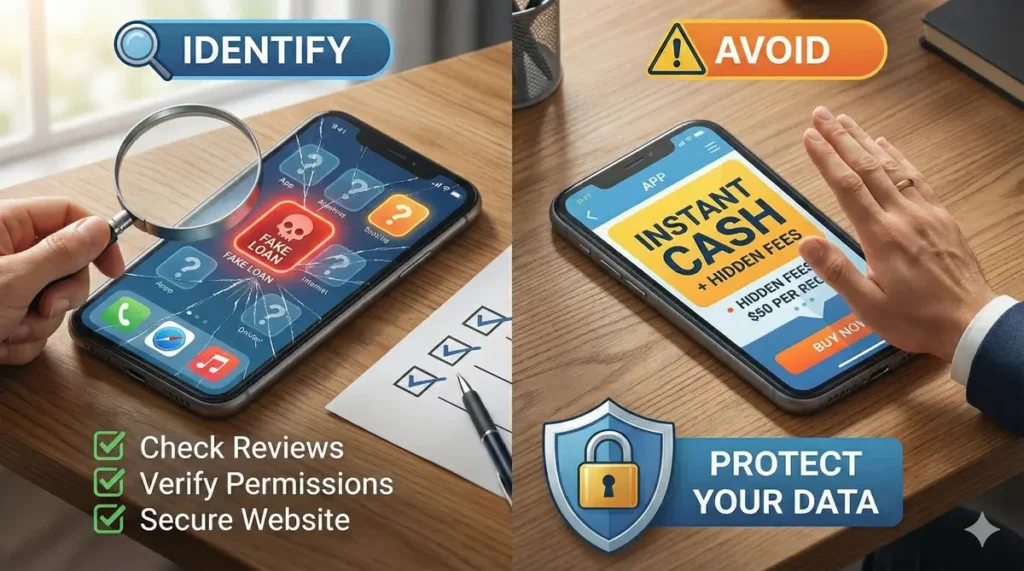
These fake personal loan apps often promise instant approval, no documentation, and attractive interest rates. But once you download them, they can steal your personal data, harass you with threats, or simply disappear with your upfront payment. Understanding the RBI fake loan app list and knowing how to identify these fraudulent platforms is crucial for your financial safety.
In this comprehensive guide, you’ll learn how to identify red flags of fake loan apps, understand the tactics fraudsters use, discover how to verify legitimate lenders, and protect yourself from falling victim to these scams. We’ll also share the official resources where you can check the fake loan app list and report suspicious apps to authorities.
Whether you’re looking for emergency funds or considering a personal loan, this guide will equip you with the knowledge to distinguish between legitimate lenders and the growing number of fraudulent apps targeting unsuspecting borrowers.
Our Research Methodology
To compile this guide on identifying fake loan apps, we analyzed data from multiple authoritative sources including the Reserve Bank of India’s official warnings, police reports from cyber crime departments, consumer complaints filed with the RBI Sachet Portal, and investigative reports from leading financial publications.
We’ve cross-referenced reported scam patterns, examined the tactics used by fraudulent apps, and consulted with cybersecurity experts and financial regulators. Our goal is to provide you with accurate, actionable information that helps protect your financial security and personal data.
15 Red Flags of Fake Loan Apps
1. Demands Upfront Payment or Processing Fees
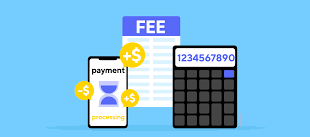
One of the most common red flags is when a loan app asks you to pay processing fees, insurance charges, or any other fees before your loan is approved. Legitimate lenders deduct fees from the loan amount after approval, never before.
How This Scam Works:
- App promises instant approval with minimal documentation
- After you apply, they claim your loan is approved
- They ask for processing fees ranging from ₹500 to ₹5,000
- Once you pay, they either disappear or keep asking for more fees
- No loan is ever disbursed despite multiple payments
Why It’s Dangerous:
- You lose money with no loan disbursed
- Your banking details are compromised
- Scammers may use your information for identity theft
- No legal recourse as these apps operate illegally
What to Look For:
- Any request for upfront payment before loan approval
- Vague explanations about why fees are needed
- Pressure to pay quickly or lose the loan offer
- Payment requests through personal accounts rather than company accounts
How to Protect Yourself:
Never pay any fees before receiving your loan amount. Legitimate lenders only charge fees by deducting them from the sanctioned loan amount. If an app asks for upfront payment, report it immediately and uninstall the app.
2. Requests Excessive Phone Permissions
Fake loan apps often request unnecessary permissions like full access to your contacts, photo gallery, SMS messages, and call logs. While legitimate apps need some permissions for KYC purposes, fraudulent apps use these to harvest personal data and later harass you and your contacts.
How This Scam Works:
- App requests access to contacts, gallery, SMS, and call logs during installation
- Claims these permissions are mandatory for loan processing
- Extracts all your contact information silently
- Uses this data to threaten and harass you and your contacts
- May sell your data to other scammers
Why It’s Dangerous:
- Your entire contact list is exposed to scammers
- Private photos can be misused for blackmail
- Friends and family receive harassment calls
- Your personal data is sold on dark web markets
What to Look For:
- Requests for contact list access before loan approval
- Demands gallery and media file permissions
- Asks for SMS read/write permissions
- Requires call log access without clear justification
How to Protect Yourself:
Only grant necessary permissions. Legitimate loan apps typically need camera (for document upload), location (for verification), and storage (for saving documents). Deny unnecessary permissions and uninstall if the app won’t function without them.
See Also: How to Pick Best Credit Card
3. Not Registered with RBI or Missing NBFC License
Every legitimate digital lending platform in India must either be an RBI-registered NBFC or partner with one. If you cannot find the company in RBI’s official NBFC registry, it’s operating illegally and likely fraudulent.
How This Scam Works:
- App operates without proper regulatory authorization
- Claims to be registered but provides fake registration numbers
- Partners with unregistered or shell companies
- Avoids mentioning NBFC partner or registration details
- Frequently changes company names to evade detection
Why It’s Dangerous:
- No regulatory oversight or consumer protection
- Illegal interest rates and collection practices
- No legal recourse for disputes
- Company can disappear without accountability
What to Look For:
- Missing or vague information about NBFC registration
- No mention of regulatory compliance in app description
- Company name doesn’t appear in RBI’s NBFC list
- Disclaimer states they’re not regulated by RBI
How to Protect Yourself:
Always verify the lending company or its NBFC partner on RBI’s official website at rbi.org.in before downloading any loan app. If you can’t find registration details, don’t proceed with the application.
4. Promises Instant Approval Without Credit Check
While quick loan approvals are possible with good credit, apps that guarantee instant approval without any credit verification are suspicious. Legitimate lenders always assess creditworthiness, even if they use alternative data for evaluation.
How This Scam Works:
- App advertises 100% approval guarantee
- Claims no credit score check required
- Promises loans to people with bad credit or defaults
- Asks minimal questions and approves immediately
- Then demands fees or collects data before disbursement
Why It’s Dangerous:
- Designed to attract desperate borrowers
- Leads to fee fraud or data theft
- May offer loans with illegal interest rates
- Creates false hope for people in financial distress
What to Look For:
- Marketing that guarantees approval for everyone
- No questions about income, employment, or credit history
- Approval within minutes of downloading the app
- Claims like ‘bad credit OK’ or ‘no credit check needed’
How to Protect Yourself:
Be skeptical of instant approval promises. Legitimate lenders need to verify your creditworthiness, even if using alternative methods. If it sounds too good to be true, it probably is.
5. Unclear or Missing Interest Rate Information
Transparent interest rate disclosure is mandatory for all lending platforms. Fake apps deliberately hide interest rates, present them unclearly, or bury excessive rates in fine print that most users don’t read.
How This Scam Works:
- App shows attractive low rates in marketing materials
- Actual rates are hidden in terms and conditions
- Uses confusing terminology like ‘daily interest’ or ‘weekly charges’
- Adds hidden fees that effectively increase the interest rate
- Changes rates after you’ve accepted the loan
Why It’s Dangerous:
- You end up paying usurious interest rates (often 100%+ annually)
- Debt compounds rapidly making repayment impossible
- Hidden charges increase your total repayment significantly
- No clear understanding of total loan cost
What to Look For:
- Missing Annual Percentage Rate (APR) disclosure
- Interest rates shown only as daily or weekly percentages
- Vague terms like ‘competitive rates’ without numbers
- Fine print that contradicts advertised rates
How to Protect Yourself:
Always calculate the annual interest rate before accepting any loan. RBI mandates that interest rates for personal loans typically range from 10-36% per annum. Anything significantly higher is predatory. Don’t sign if you can’t understand the total cost.
See Also: Legal Loan Apps in India
6. Harassment and Threatening Behavior
Perhaps the most damaging aspect of fake loan apps is their harassment tactics. These apps use the personal data they’ve collected to threaten borrowers with public shaming, defamation, and even violence to extract payments.
How This Scam Works:
- After collecting your data, they start aggressive follow-ups
- Make repeated calls at all hours
- Contact your family, friends, and colleagues from your contact list
- Threaten to expose personal information or photos
- Create morphed images to blackmail you
- Send defamatory messages to your contacts
Why It’s Dangerous:
- Severe mental stress and anxiety
- Damage to personal and professional reputation
- Harassment of innocent family members and friends
- Some victims have been driven to self-harm
- Privacy completely violated
What to Look For:
- Aggressive collection calls before due date
- Threats to contact your employers or relatives
- Messages threatening legal action or police complaints
- Defamatory content sent to your contacts
- Demands for payment beyond the loan amount
How to Protect Yourself:
Document all harassment (screenshots, recordings). Report immediately to cybercrime.gov.in. Block all communication channels. Inform your contacts that you’re being targeted by scammers. Remember, these tactics are illegal, and you have legal recourse.
7. Poor or Fake App Store Reviews
While many fake apps have suspicious review patterns on app stores, some invest in fake positive reviews to appear legitimate. Learning to identify authentic reviews from fake ones is crucial for your safety.
How This Scam Works:
- Buy positive reviews in bulk from review farms
- Create generic 5-star reviews with minimal detail
- Flood new negative reviews with fake positive ones
- Delete app and republish under new name when reviews turn negative
- Use bots to generate automated positive feedback
Why It’s Dangerous:
- False sense of security from fake reviews
- Real warning signs buried under fake positive feedback
- Difficult to distinguish legitimate apps from scams
- Victims continue to download despite actual problems
What to Look For:
- Large number of generic positive reviews (e.g., ‘Good app’, ‘Nice’)
- Reviews posted in batches on the same dates
- Lack of detailed, specific feedback in positive reviews
- Negative reviews mentioning harassment, data theft, or fraud
- Sudden spike in 5-star reviews after bad publicity
How to Protect Yourself:
Read multiple negative reviews carefully. Look for specific details about problems. Check review dates and patterns. Search for the app name with ‘complaint’ or ‘scam’ on Google to find external forums where people discuss issues.
8. No Physical Address or Customer Service
Legitimate financial institutions always have verifiable physical offices and accessible customer service. Fake loan apps avoid providing real contact information to evade accountability and investigation.
How This Scam Works:
- Lists fake addresses that don’t exist
- Provides only email addresses or WhatsApp numbers
- Customer service never responds to complaints
- Changes contact information frequently
- Uses virtual office addresses or PO boxes
Why It’s Dangerous:
- No way to reach company for disputes
- Cannot file complaints with authorities
- Impossible to take legal action
- Company can disappear without trace
What to Look For:
- Only email or app-based support available
- No phone number or non-responsive helpline
- Address cannot be verified on Google Maps
- Website lacks detailed ‘About Us’ or office information
- Customer complaints about inability to reach support
How to Protect Yourself:
Verify the physical address using Google Maps. Call the customer service number before applying. Legitimate companies will have responsive support. Check if the company has a professional website with detailed contact information.
9. Chinese Connection or Foreign Operation
Many fake loan apps in India have been traced back to Chinese operators or are run from foreign locations, making it extremely difficult for Indian law enforcement to take action against them.
How This Scam Works:
- Developed and operated from China or Southeast Asia
- Uses Indian front companies or individuals as intermediaries
- Routes money through complex international channels
- Operators remain outside Indian jurisdiction
- Quickly shuts down and relaunches under new names
Why It’s Dangerous:
- Data sent to foreign servers beyond Indian law
- Difficult for authorities to prosecute
- No accountability or consumer protection
- Higher risk of data misuse and international fraud
What to Look For:
- App developer listed as unknown or from China
- Privacy policy mentions data storage in foreign countries
- Similar app design and functionality to known Chinese scam apps
- Poor translation or Indian language errors in app
- News reports linking the app to Chinese operations
How to Protect Yourself:
Check the app developer’s location in the app store. Read the privacy policy to see where data is stored. Research if the app has been linked to international fraud operations. Prefer apps from Indian companies with local presence.
See Also: Best UPI Apps In India
10. Disappears After Collecting Data or Payments
The ultimate goal of many fake loan apps is to collect either upfront fees or personal data, after which they simply vanish. The app may stop working, customer service becomes unreachable, or the company dissolves entirely.
How This Scam Works:
- Collects personal data and documents during application
- Either demands upfront fees or simply harvests information
- Once objective achieved, app stops functioning
- Company becomes unreachable and website goes down
- May relaunch under a different name to scam new victims
Why It’s Dangerous:
- Complete loss of any fees paid
- Your personal data in wrong hands
- Documents can be used for identity fraud
- No way to recover losses or data
- Your information may be sold to other criminals
What to Look For:
- Very new app with limited history
- Frequent name changes or rebranding
- Multiple apps with similar interfaces from same developer
- Reports of the app suddenly becoming inaccessible
- Company exists for only a few months before disappearing
How to Protect Yourself:
Research how long the app has been in operation. Check for news about the company. Be wary of very new apps with limited track record. Never provide sensitive documents until you’ve verified the lender’s legitimacy through official channels.
11. Offers Loans Without Documentation
While digital lending has simplified the documentation process, completely eliminating documentation is a red flag. Legitimate lenders are required by law to verify borrower identity and assess creditworthiness.
How This Scam Works:
- Claims ‘no documents needed’ to attract borrowers
- Skips KYC verification required by law
- Doesn’t verify income, employment, or identity
- Approves loans based solely on phone number or email
- Uses lack of documentation as selling point
Why It’s Dangerous:
- Identity not verified, enabling fraud
- No credit assessment means predatory terms
- Illegal operation flouting RBI guidelines
- Your actual identity may not be linked to the loan
- Can lead to disputes about loan ownership
What to Look For:
- Marketing emphasizing ‘zero documentation’
- No request for PAN card, Aadhaar, or bank statements
- No income verification process
- Instant approval without identity confirmation
- Skips mandatory KYC requirements
How to Protect Yourself:
RBI mandates KYC verification for all loans. If an app doesn’t ask for basic identity documents, it’s operating illegally. Legitimate simplified processes still verify your identity, just more efficiently. Don’t trust apps that completely skip documentation.
12. Unbelievably High Loan Amounts for New Users
Scam apps often promise unrealistic loan amounts—like ₹5 lakhs or more—to first-time borrowers without any credit history. This is designed to lure desperate or naive borrowers who need large sums quickly.
How This Scam Works:
- Advertises high loan limits to attract attention
- Shows inflated amounts in initial screens
- Reduces amount drastically after application or fee payment
- Uses high amounts as bait for upfront fees
- Never actually disburses large loans promised
Why It’s Dangerous:
- Creates unrealistic expectations
- Lures desperate borrowers into traps
- Used to justify higher upfront fees
- Wastes time and exposes data for loans that won’t materialize
What to Look For:
- Promises of ₹5 lakhs+ to new borrowers with no credit history
- No income criteria mentioned for large loan amounts
- Marketing focused on maximum loan amounts
- Loan amount reduces after you pay fees
- Amount seems disproportionate to typical personal loan limits
How to Protect Yourself:
Be realistic about loan amounts. First-time borrowers typically get ₹10,000-₹50,000 from legitimate apps. Amounts are based on income and credit profile. If an unknown app offers you ₹5 lakhs without verification, it’s almost certainly a scam.
13. Pressure Tactics and Limited-Time Offers
Fraudulent apps create artificial urgency to prevent you from thinking critically or researching the company. They use countdown timers, limited slots, and pressure tactics to rush your decision.
How This Scam Works:
- Shows countdown timers for ‘special offers’
- Claims limited slots available for loan approval
- Sends push notifications creating urgency
- Representatives call repeatedly pushing for quick decisions
- Threatens withdrawal of offer if you don’t act immediately
Why It’s Dangerous:
- Prevents due diligence and verification
- Exploits fear of missing out
- Rushed decisions lead to poor choices
- No time to consult family or research
What to Look For:
- Countdown timers on loan offers
- Messages like ‘only 2 slots left’
- Pressure to complete application immediately
- Offers that expire within hours
- Multiple follow-up calls rushing your decision
How to Protect Yourself:
Legitimate lenders don’t pressure you into quick decisions. Take your time to verify, research, and compare. Any app using high-pressure tactics is likely fraudulent. A genuine loan offer will still be available after you’ve done proper research.
14. Uses WhatsApp or Telegram for Official Communication
Professional lending institutions communicate through official channels—email from company domains, registered phone numbers, and in-app messaging. Fake apps often rely on WhatsApp or Telegram because they’re harder to trace.
How This Scam Works:
- Provides WhatsApp number as primary contact
- Sends loan offers through Telegram groups
- Asks you to join WhatsApp groups for ‘VIP offers’
- Conducts loan processing discussions on personal messaging apps
- Uses disposable numbers that change frequently
Why It’s Dangerous:
- Unprofessional and unverifiable communication
- Easy for scammers to disappear
- Your number added to multiple spam groups
- No official record of communication
- Harder to provide evidence to authorities
What to Look For:
- WhatsApp number listed as primary contact
- Request to join Telegram groups for loan processing
- Official communications from personal accounts
- Loan documents shared via WhatsApp
- No professional email communication
How to Protect Yourself:
Legitimate lenders use official channels—company email addresses, registered phone numbers, and secure in-app messaging. If the only way to reach them is through WhatsApp or Telegram, consider it a major red flag and avoid the app.
15. Frequent Name Changes and Rebranding
When fake loan apps receive too many complaints or get banned, they often rebrand with a new name but maintain the same interface, operating model, and fraudulent practices.
How This Scam Works:
- App gets negative reviews or complaints
- Company changes name slightly (e.g., ‘QuickCash’ to ‘QuickCash Pro’)
- Republishes app on store with new branding
- Uses same interface, backend, and tactics
- Abandons old brand when it gets too notorious
Why It’s Dangerous:
- Previous warnings and complaints don’t show up under new name
- Evades detection and continues scamming
- Victims don’t realize it’s the same fraudulent operation
- Builds false legitimacy with ‘new’ brand
What to Look For:
- Very similar app design to known scam apps
- Same features, layout, and user flow as banned apps
- Developer has multiple apps with slight name variations
- Recent launch date despite similar apps existing
- Comments mentioning ‘this is the same as [another app]’
How to Protect Yourself:
Research the developer’s other apps. If they have multiple similar lending apps with different names, it’s suspicious. Check if the app interface matches any known scam apps. Look for patterns in complaints across different app names from the same developer.
Fake vs Legitimate Loan Apps: Quick Comparison
| Feature | Fake Loan Apps | Legitimate Loan Apps |
|---|---|---|
| RBI Registration | Not registered or fake registration | Verified NBFC registration with RBI |
| Upfront Fees | Demands payment before approval | Deducts fees from disbursed amount |
| Permissions | Requests contacts, gallery, SMS access | Minimal permissions (camera, storage) |
| Interest Rates | Hidden or extremely high (100%+ annually) | Transparent, typically 10-36% annually |
| Documentation | No KYC or verification needed | Proper KYC with Aadhaar, PAN verification |
| Customer Service | WhatsApp only or unresponsive | Multiple channels with responsive support |
| Physical Presence | No office or fake addresses | Verifiable office addresses |
| Collection Practices | Harassment and threats | Professional, rule-based reminders |
| Privacy Policy | Vague or missing | Detailed and compliant with regulations |
| App Reviews | Fake positive reviews or harassment complaints | Authentic mixed reviews with detailed feedback |
| Loan Processing | Instant approval without verification | Proper credit assessment and verification |
| Company Information | Limited or suspicious details | Complete company information and history |
How to Verify a Loan App Before Installing
Step 1: Check RBI’s NBFC Registry
Visit the Reserve Bank of India’s official website (rbi.org.in) and search for the lender in the NBFC registry. Every legitimate digital lender must be either an NBFC or partnered with one.
Here are the update list of NBFC from RBI
How to check: Go to rbi.org.in → Databases → List of NBFCs → Search company name
Step 2: Verify Through Sachet Portal
RBI’s Sachet Portal (https://sachet.rbi.org.in/) allows you to check complaints against any lender and verify if they’re on the fake loan list.
Step 3: Review App Store Ratings Carefully
Check Google Play Store or Apple App Store reviews, but be aware that fake apps often have purchased positive reviews. Look for detailed negative reviews mentioning specific problems.
Step 4: Examine Permissions Requested
Before installing, review what permissions the app requests. Legitimate loan apps need basic permissions but shouldn’t demand access to your entire contact list, photos, or SMS history.
What to Do If You’ve Been Scammed
1. Stop All Communication: Don’t respond to threats or harassment. Block their numbers and emails.
2. File a Cybercrime Complaint: Report to cybercrime.gov.in immediately with all evidence.
3. Inform Your Bank: If you shared bank details, notify your bank to monitor for unauthorized transactions.
4. Report to RBI: File a complaint on the RBI Sachet Portal (rbi.org.in/sachet).
5. Document Everything: Save screenshots, call recordings, and messages as evidence.
6. Seek Legal Help: For serious cases involving threats or extortion, consult a lawyer.
How to Choose a Safe Loan App
When you’re in urgent need of funds, it’s tempting to jump at the first loan offer you see. However, taking a few extra minutes to verify the legitimacy of a lending app can save you from financial disaster and personal harassment. Here’s a decision framework to help you choose safely.
Here are the List of Safe Loan App
Ask Yourself These Questions:
- Is this lender registered with RBI or listed in the NBFC registry?
- Does the app have a physical office address and customer service number?
- Are they asking for upfront fees or processing charges before approval?
- Do the interest rates seem realistic (typically 10-36% annual for personal loans)?
- Is the app requesting excessive permissions on my phone?
- Can I find independent reviews from credible sources?
Key Factors to Prioritize:
- Regulatory Compliance: Only use apps from RBI-registered entities
- Transparency: Clear terms, conditions, and interest rate disclosure
- Data Privacy: Strong privacy policy and minimal permission requests
- Customer Support: Accessible, responsive customer service
- Reputation: Established track record with real user testimonials
Remember, legitimate lenders want to work with creditworthy borrowers and will never pressure you into quick decisions. If you’re checking the 7 days fake loan app list or any fake loan list because you’ve received suspicious offers, trust your instincts. When in doubt, it’s always safer to approach traditional banks or well-known fintech companies with proven track records.
Conclusion: Stay Vigilant, Stay Safe
The proliferation of fake loan apps targeting Indian borrowers is a serious concern, but armed with the right knowledge, you can protect yourself from falling victim to these scams. Whether you’re searching for the RBI fake loan app list or trying to verify a specific lender, always prioritize verification through official channels like the RBI website and Sachet Portal.
For Urgent Needs: Stick with well-known lending apps from established financial institutions or NBFCs with clear RBI registration.
For Better Rates: Take time to compare legitimate lenders rather than rushing into deals from unverified apps.
For Long-term Financial Health: Build relationships with traditional banks and maintain good credit to access better loan options without needing to risk unverified apps.
Your financial safety is worth the extra few minutes of verification. Share this guide with family and friends who might be vulnerable to fake loan app scams, and always report suspicious apps to help protect others in your community. Together, we can make digital lending safer for everyone.
Frequently Asked Questions
Where can I find the official RBI fake loan app list?
The RBI does not maintain a public list of fake loan apps. However, you can verify legitimate lenders through RBI’s NBFC registry at rbi.org.in. Additionally, report and check complaints on the RBI Sachet Portal (rbi.org.in/sachet). The Cyber Crime Portal (cybercrime.gov.in) also documents reported fraudulent apps. Always verify any lending app through these official channels before installation.
What should I do if I’ve already installed a fake loan app?
Immediately uninstall the app and revoke all permissions it requested. Change your passwords for any accounts you accessed on your phone. Monitor your bank accounts for unauthorized transactions. File a complaint on cybercrime.gov.in with screenshots and evidence. Report to RBI’s Sachet Portal. If you’ve been harassed, document everything and consider filing a police complaint. Inform your contacts that your data may have been compromised.
How can I identify a 7-day fake loan app?
Seven-day loan apps (offering very short repayment periods) are often predatory or fake. Red flags include: extremely high interest rates when calculated annually (often 200-500%), aggressive collection tactics, demands for excessive phone permissions, and charging exorbitant late fees. While some legitimate lenders offer short-term loans, verify their RBI registration and ensure interest rates comply with legal limits before proceeding.
Are all instant loan apps fake?
No, not all instant loan apps are fake. Legitimate fintech companies like PaySense, MoneyTap, EarlySalary, and others offer quick loan approvals through automated processes. The key difference is they’re registered with RBI, have transparent terms, use proper credit assessment, and follow legal collection practices. Always verify an app’s legitimacy through RBI’s NBFC registry before applying, regardless of how quickly they promise approval.
Can fake loan apps access my banking information?
Fake loan apps can only access information you provide or permissions you grant. They cannot directly access your bank account without your credentials. However, they can misuse information you’ve shared (bank statements, card details) or permissions you’ve granted (SMS access for OTP reading). Never share banking passwords, PINs, or OTPs with any app. Legitimate lenders use secure API connections for verification, never asking for direct banking credentials.
What interest rate is legal for personal loans in India?
While there’s no fixed maximum interest rate for personal loans in India, RBI expects lenders to follow fair practices. Legitimate personal loans typically charge 10-36% annual interest. Anything significantly higher may be predatory. Remember to always calculate the Annual Percentage Rate (APR) rather than daily or weekly rates that fake apps use to hide true costs. Interest rates above 50% annually should be considered suspicious.
How do I report a fake loan app harassing me?
Report fake loan app harassment through multiple channels: File a complaint at cybercrime.gov.in (National Cyber Crime Reporting Portal), report through RBI Sachet Portal at rbi.org.in/sachet, call the Cyber Crime Helpline at 1930, and file a complaint at your local police station with all evidence (screenshots, call recordings, messages). Document all harassment incidents. Block the scammers on all platforms. Consider legal action for severe cases involving defamation or extortion.
Why do fake loan apps ask for contact list access?
Fake loan apps demand contact list access to harvest your friends’ and family’s phone numbers for harassment purposes. If you default on payments or refuse to pay illegal fees, they contact everyone in your phone, threatening and defaming you to pressure payment. This violates privacy laws and RBI guidelines. Legitimate lenders may request contact information for emergency references but never need access to your entire contact list. Always deny this permission.
Spotted a Suspicious Loan App?
Report it immediately to help protect others
📞 Cybercrime Helpline: 1930
🌐 Report Online: cybercrime.gov.in
🏛️ RBI Sachet Portal: rbi.org.in/sachet